The Seed We Sow
- Michael W.
- Nov 15, 2025
- 3 min read

Understanding the Unbreakable Law of Consequences
Have you ever wished that life came with a rewind button? It’s human nature to make mistakes—to speak a word in haste, to indulge a fleeting desire, or to neglect a duty we know is important. In the immediate moment, we often feel the thrill of the action, but time always reveals a deeper, universal truth: actions have consequences.
This isn't just a philosophical idea; it’s a spiritual law, clearly articulated in Scripture. The Apostle Paul lays it out plainly in Galatians 6:7, saying, “Do not be deceived: God cannot be mocked. A man reaps what he sows.” This is the unbreakable law of the harvest, and it applies to every single area of our lives.
Sowing to the Flesh vs. Sowing to the Spirit
Paul continues this thought, differentiating between two kinds of planting:
"Whoever sows to please their flesh, from the flesh will reap destruction; whoever sows to please the Spirit, from the Spirit will reap eternal life." (Galatians 6:8, NIV)
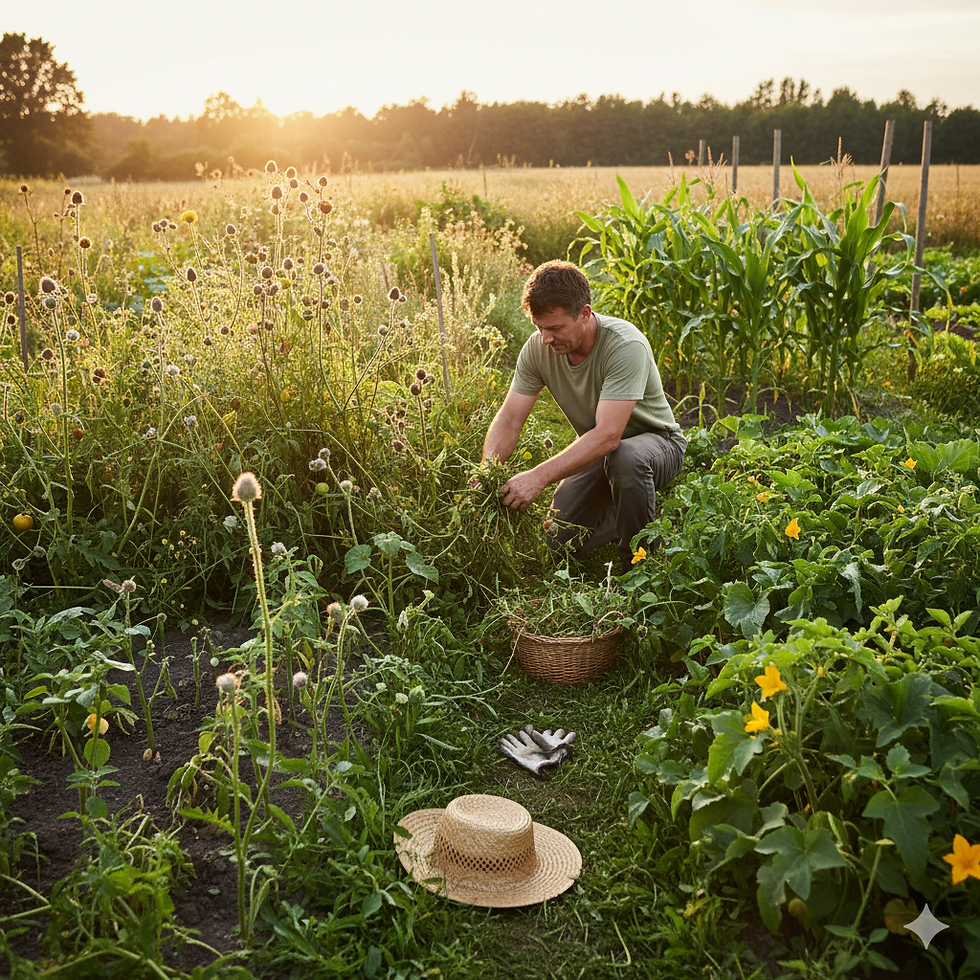
Imagine you are planting a garden. If you plant weeds (sowing to the flesh—selfishness, anger, laziness), you cannot stand back a month later and expect to harvest fruit. You will reap corruption, regret, and broken relationships. However, if you diligently plant seeds of kindness, patience, honesty, and service (sowing to the Spirit), your harvest will be peace, joy, and lasting life. The consequence is directly proportional to the choice.
The Testimony of the Kings: David’s Example
Even the most beloved figures in the Bible faced the consequences of their choices. Consider King David, a man after God’s own heart. In a moment of weakness, he chose to commit adultery with Bathsheba and murder her husband, Uriah.
Though David was swiftly and completely forgiven when he repented—a beautiful testament to God’s mercy—the consequences of his actions remained. The prophet Nathan told David that the sword would never depart from his house (2 Samuel 12:10). This choice led to civil war, familial conflict, and deep sorrow that followed David for the rest of his reign. Forgiveness is instant, but the ripple effects of choices in this earthly life often play out over years.
The Reward of Steadfastness: Joseph’s Example
On the flip side, we have the example of Joseph. Sold into slavery and framed for a crime he didn’t commit, Joseph was consistently faithful and chose integrity even when it cost him dearly.
When Potiphar’s wife tried to seduce him, Joseph's action was to literally run away (Genesis 39:12). He sowed a seed of uncompromising loyalty to God. The immediate consequence was imprisonment. But years later, the ultimate consequence was that his character—forged in fidelity and suffering—was perfectly prepared for him to rule over all of Egypt. His consistent faithfulness in small things led to an immense harvest of blessing and the salvation of his entire family.
Your Harvest is Today’s Choices
We cannot go back and un-plant the seeds of yesterday, but we are fully capable of controlling the seeds we plant right now.
If you are facing a difficult harvest of regret or pain, take heart: God is faithful to forgive and restore. But restoration often starts with a single new action: a seed of repentance, a seed of new commitment, or a seed of grace toward someone else.
What seed are you planting today? Choose wisely, because your future is growing.


Comments